
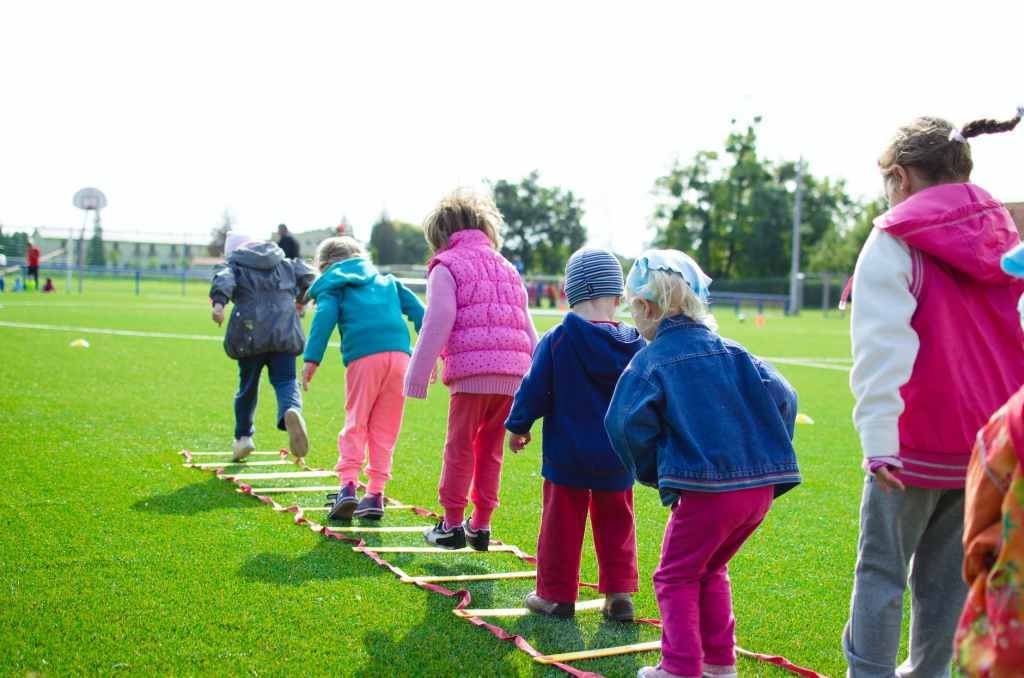
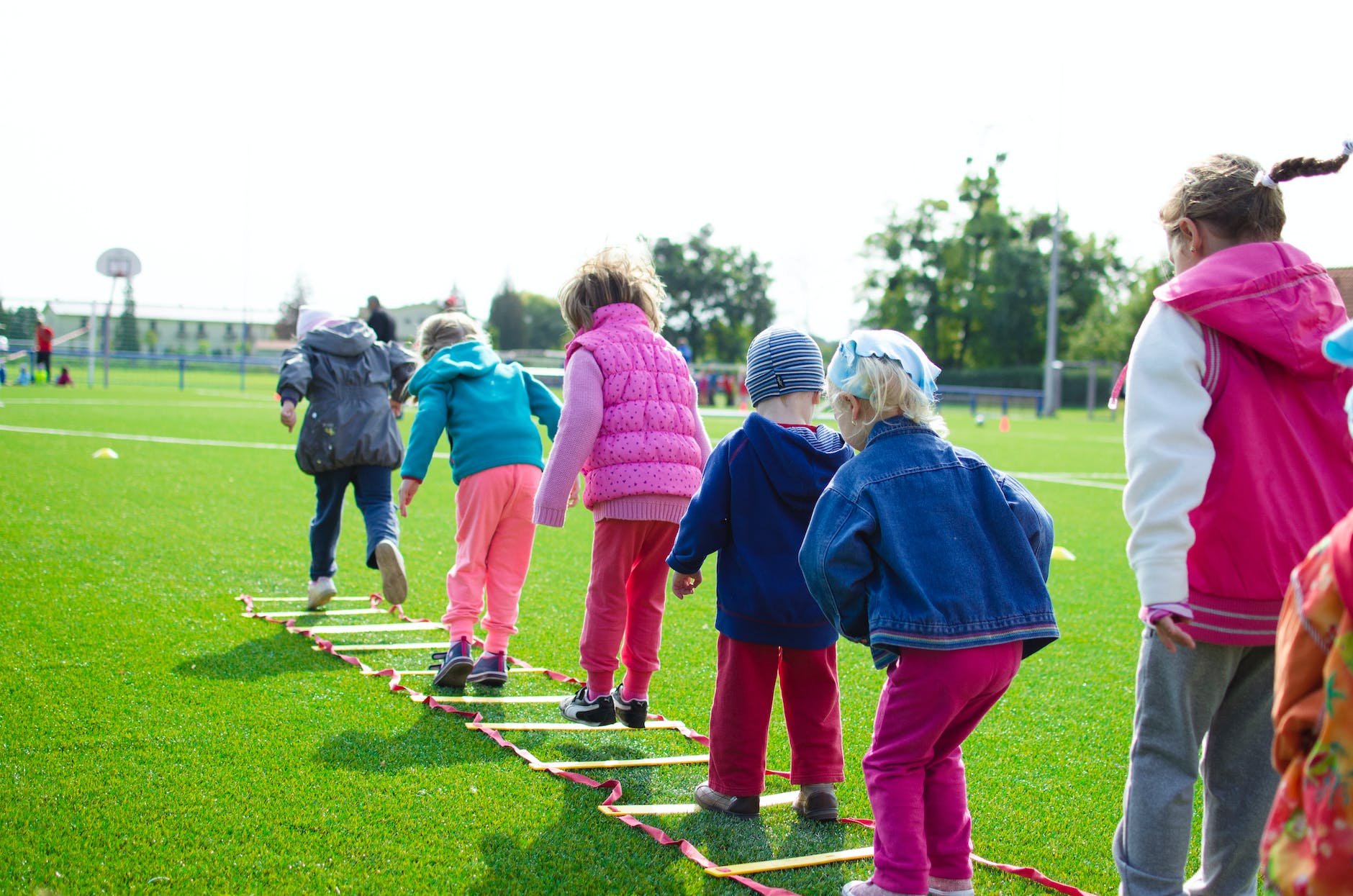
Childhood is a time of exploration, growth, and development. It is a period where children learn about themselves, the world around them, and develop crucial skills for their future. In this journey, both organized activities and free play play significant roles. While free play allows for unstructured, imaginative play, organized activities provide structure, guidance, and opportunities for learning. In this article, we will explore the importance of finding a balance between organized activities and free play in child development and how they complement each other to promote holistic growth.
- The Benefits of Free Play:
Free play is an essential component of childhood. It encourages creativity, imagination, and problem-solving skills. During free play, children have the freedom to explore their interests, engage in unstructured activities, and create their own rules. This type of play promotes independent thinking, decision-making, and the development of social skills as children interact with their peers. Free play allows children to follow their curiosity, experiment, and discover their unique passions.
- The Value of Organized Activities:
Organized activities, such as sports, arts, music, or clubs, offer structure and guidance for children’s growth and development. They provide opportunities for learning specific skills, setting goals, and working collaboratively as part of a team. Organized activities introduce children to new experiences, challenges, and opportunities for personal growth. They teach discipline, time management, commitment, and the importance of practice and perseverance.
- Skill Development:
Both free play and organized activities contribute to the development of a wide range of skills in children. Free play allows for the development of creativity, problem-solving, and social skills through self-directed exploration. On the other hand, organized activities provide a focused environment for skill-building in specific areas such as sports, arts, or academics. By engaging in a variety of organized activities and free play, children develop a well-rounded skill set that prepares them for future challenges and opportunities.
- Physical and Emotional Well-being:
Organized activities and free play promote physical and emotional well-being in children. Participating in organized sports or physical activities helps children develop physical fitness, coordination, and motor skills. It also teaches them the value of teamwork, discipline, and perseverance. Free play, on the other hand, allows children to release energy, engage in unstructured physical activities, and manage their emotions through creative expression. The combination of organized activities and free play contributes to the overall well-being of children, fostering a healthy balance of physical and emotional development.
- Nurturing Passion and Individuality:
Organized activities and free play allow children to explore their interests, discover their passions, and nurture their individuality. Organized activities expose children to a variety of disciplines and provide opportunities to explore different interests. This exposure helps children identify their strengths, passions, and talents. Free play, on the other hand, allows children to follow their own interests, engage in activities they enjoy, and express their unique personalities. The combination of organized activities and free play encourages children to develop a sense of identity and cultivate their personal interests.
- The Importance of Balance:
Finding a balance between organized activities and free play is crucial for child development. While organized activities offer structure and guidance, allowing children to develop specific skills, free play provides the freedom and autonomy necessary for creativity, imagination, and self-discovery. A healthy balance between the two allows children to experience a holistic childhood, fostering a well-rounded development of physical, cognitive, social, and emotional skills.
- Creating a Supportive Environment:
As parents and caregivers, it is important to create a supportive environment that allows for both organized activities and free play. Encourage children to explore their interests and engage in a variety of activities while respecting theirindividual preferences and desires. Here are some practical tips for finding balance:
a. Assess your child’s interests: Take the time to understand what activities truly excite and engage your child. This will help you make informed decisions when choosing organized activities.
b. Prioritize free play: Allow ample time for unstructured, imaginative play. Create a safe and stimulating environment where your child can freely explore, create, and interact with their surroundings.
c. Offer a variety of activities: Expose your child to a range of organized activities that align with their interests. This can help them discover new passions and develop a diverse skill set.
d. Set realistic expectations: Be mindful of not overscheduling your child with too many organized activities. Balance their commitments to ensure they have enough time for rest, relaxation, and spontaneous play.
e. Communicate and involve your child: Have open conversations with your child about their desires, interests, and feelings towards organized activities and free play. Involve them in the decision-making process to ensure their voices are heard.
f. Emphasize the importance of downtime: Encourage your child to take breaks and engage in activities that promote relaxation and self-care. This allows them to recharge and maintain a healthy balance between structured and unstructured time.
g. Foster a supportive and encouraging atmosphere: Regardless of the type of activity, provide positive reinforcement and support for your child’s efforts. Celebrate their achievements, both big and small, and help them understand the value of growth and progress.
h. Flexibility is key: Be open to adjusting schedules and activities as your child’s interests evolve. Allow room for exploration and adaptation, ensuring that their development remains a dynamic and enjoyable process.
Organized activities and free play are both valuable components of a child’s development. Each offers unique benefits and contributes to a well-rounded upbringing. By finding a balance between structured and unstructured time, we can provide children with the opportunities they need to thrive intellectually, emotionally, physically, and socially. Let us embrace the richness of both organized activities and free play, recognizing that a healthy combination of structure and spontaneity fosters holistic growth, nurtures passion, and supports the individuality of each child. With a balanced approach, we can create an environment that allows children to flourish and become confident, well-rounded individuals.
 A Family Day
Leave a comment